Research Facilities
DanScatt supports travel to a wide range of synchrotron, XFEL, and neutron facilities in Europe, North America, and Asia.
As a member of the DanScatt community, you will be able to receive funding for travel to conduct experiments at a wide range of research facilities. Moreover, to secure access to key infrastructures, DanScatt supports Danish memberships in ESS, EuXFEL, ESRF, and ILL, as well as strategic collaborations with PSI and MAX IV.
For an overview or inspiration, we encourage you to explore the facilities listed on this page.
Diamond
Diamond Light Source is the UK's national synchrotron light source in Oxfordshire. The machine generates extremely bright light that is directed into laboratories known as beamlines. Scientists use the light to find solutions to humanity’s most critical challenges, from health, food security and biotechnology to energy, climate change and advanced materials. Diamond is in the process of upgrading to a fourth-generation synchrotron, generating a brighter and more coherent light.
Visit Diamond for more information.
Elettra Sincrotrone Trieste
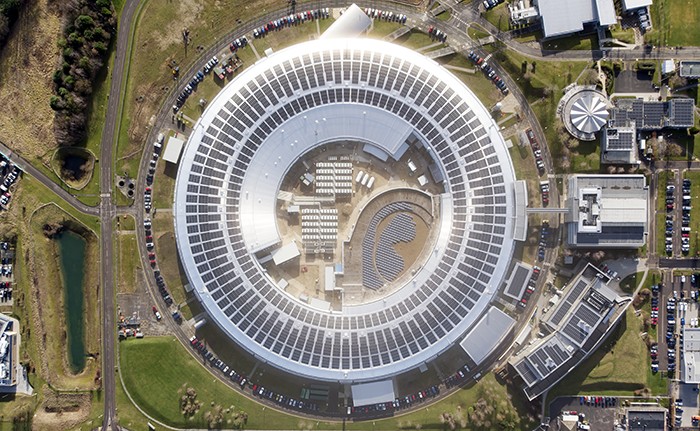
Elettra Sincrotrone Trieste is an international research center located on the outskirts of Trieste, Italy. The third-generation Italian synchrotron radiation facility Elettra has been serving the national and international scientific and industrial communities starting from 1993, with continuous upgrades up to the present day. Elettra's mission is to promote cultural, social and economic growth through:
- Basic and applied research
- Technology and know-how transfer
- Technical, scientific and management education
- Role of reference in the national and international scientific networks
Visit Elettra for more information.

European Synchrotron Radiation Facility (ESRF)
The ESRF in Grenoble, France, is a world-leading center for synchrotron research and X-ray science, offering unparalleled opportunities to explore the structure and properties of matter at the atomic scale.
As part of ESRF’s international collaboration network, DanScatt connects Danish researchers to this cutting-edge facility, enabling experiments that drive breakthroughs in physics, chemistry, materials science, and life sciences.
Visit ESRF for more information.

MAX IV
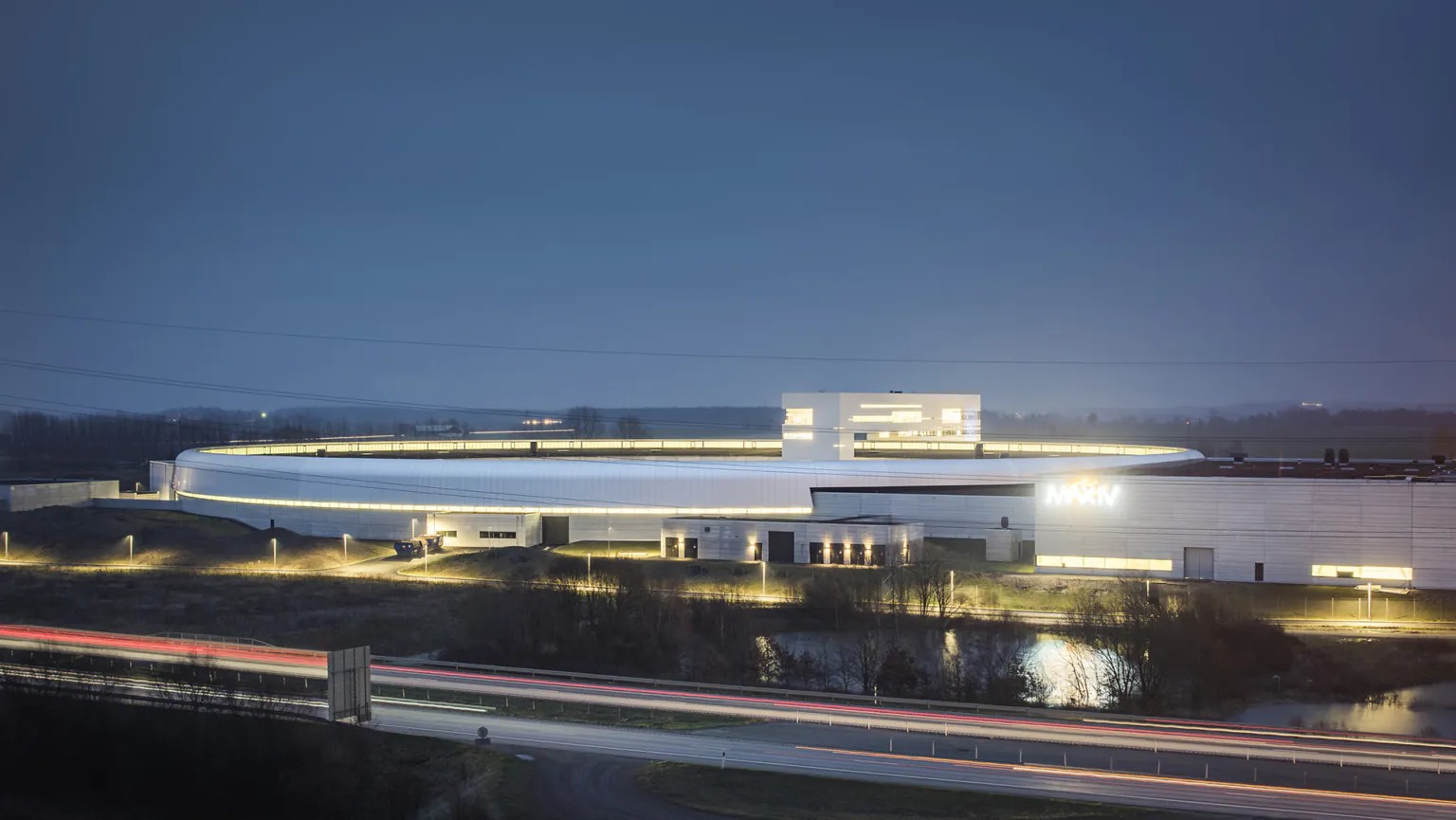
MAX IV is located in Lund, Sweden. It uses synchrotron light to examine materials at the micrometre and nanometre length scale, and in the nanosecond and picosecond time scale to understand their chemical and physical properties. The material research conducted at MAX IV has broad applications in medical, technical, biological, agricultural, industrial, and cultural fields.
Visit MAX IV for more information.
PETRA
The Positron–Electron Tandem Ring Accelerator (PETRA) is one of the particle accelerators at the German national laboratory DESY in Hamburg. It is a high brilliance 3rd Generation Synchrotron Radiation Source. With a circumference of 2.3 km PETRA III is the biggest and one of the most brilliant storage ring light source for hard and high energy X-ray photons in the world. 25 beamlines are operational for users.
Visit DESY for more information.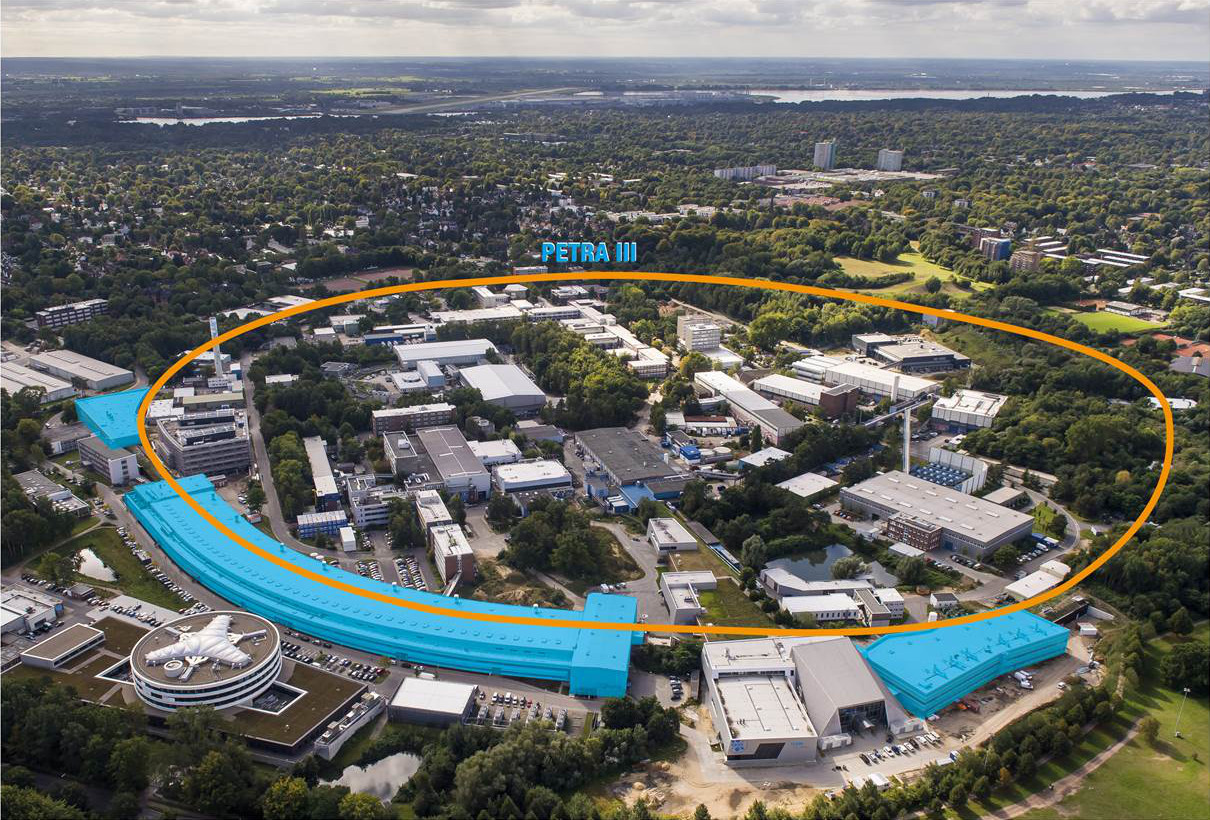
Other Synchrotron Facilities Collaborating with DanScatt
Europe
North America
- APS (Advanced Photon Source)
- CHESS (Cornell High Energy Synchrotron Source)
- CLS (Canadian Light Source)
- ALS (Advanced Light Source)
- SSRL (Stanford Synchrotron Radiation Lightsource)
- NSLS-II (National Synchrotron Light Source II)
Asia
- SPring-8 (Super Photon Ring – 8 GeV)
- Photon Factory
- NSRRC (National Synchrotron Radiation Research Center)
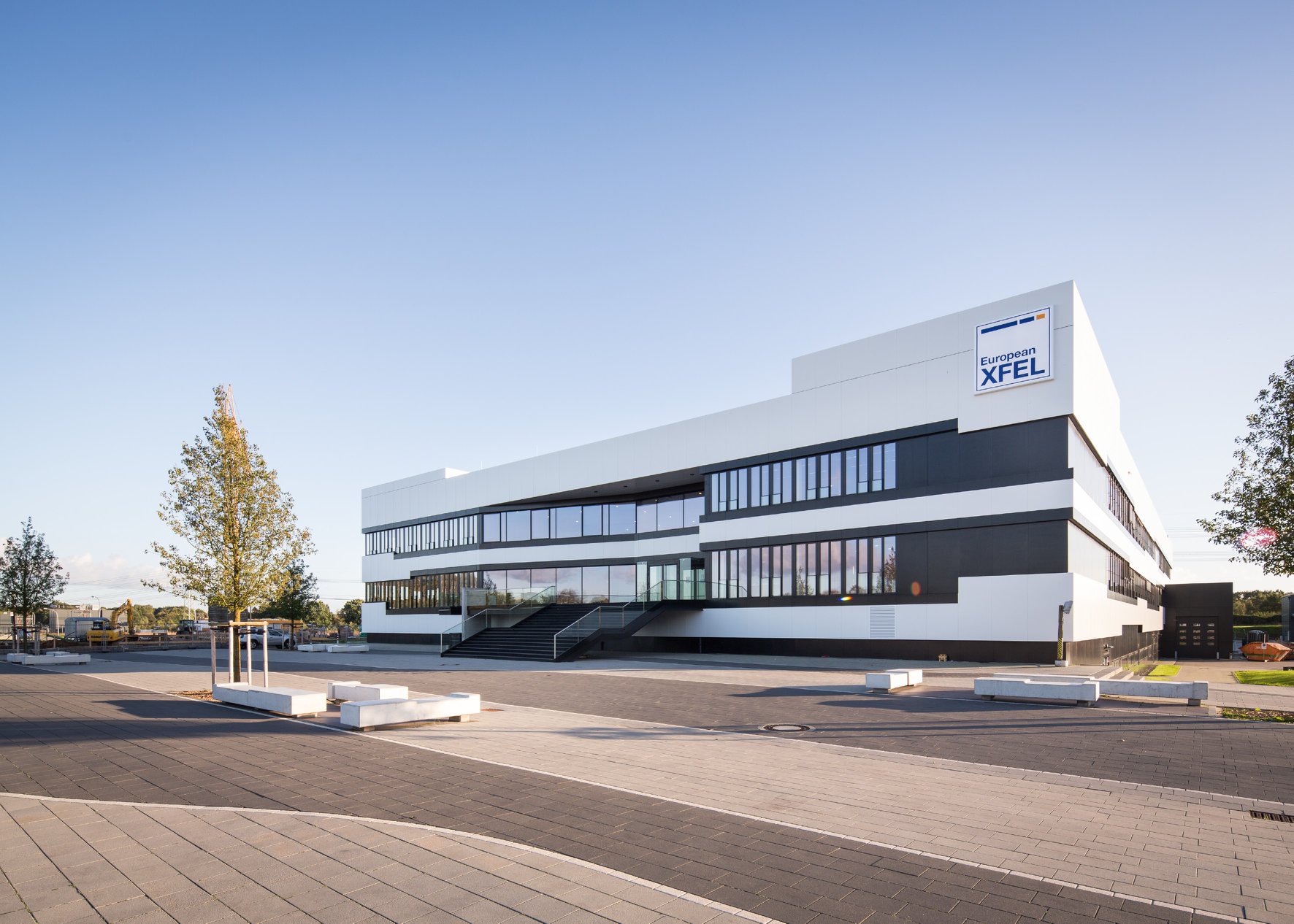
European XFEL, Germany (EuXFEL)
DanScatt supports Danish membership in the European XFEL in Hamburg - one of the world’s most advanced XFEL facilities. Producing ultra‑short X‑ray flashes with extreme brilliance, EuXFEL enables researchers to study atomic and molecular structures in real time. Through workshops and funding, DanScatt helps Danish scientists benefit from this cutting‑edge infrastructure.
Want to find out more, check out xfel.eu.
Linac Coherent Light Source (LCLS)
The LCLS is located in California, United States. LCLS takes X-ray snapshots of atoms and molecules at work, providing atomic resolution detail on ultrafast timescales to reveal fundamental processes in materials, technology and living things. Its snapshots can be strung together into “molecular movies” that show chemical reactions as they happen. Over the past few years, LCLS has enabled scientists to uncover the 3-D molecular structure of proteins involved in the transmission of many important diseases, such as African sleeping sickness, Dengue fever and the Zika virus; it has aided the development of next-generation painkillers that seek to reduce side effects such as drug dependency; it has obtained live snapshots of the fleeting steps in the water-splitting reaction in photosynthesis; and it has studied the microscopic components of air pollution at the nanoscale.
Visit LCLS for more information.
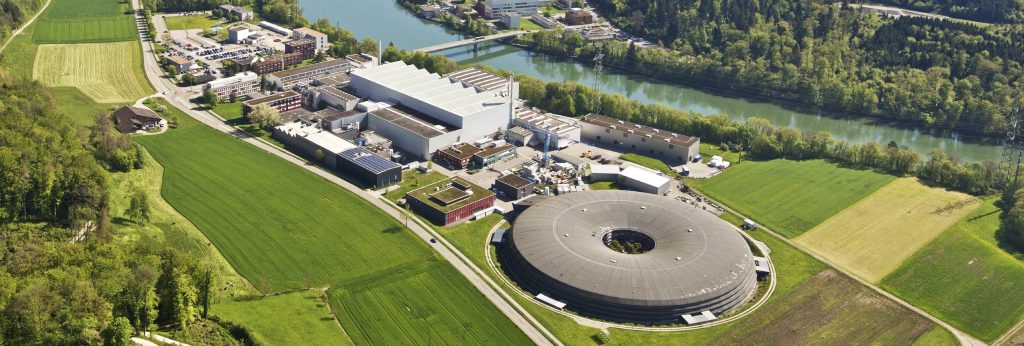
Paul Scherrer Institute, Switzerland (PSI)
Through DanScatt, Danish scientists gain direct access to PSI’s unique infrastructure and expertise.
Find out more by visiting PSI.
Other XFEL Facilities Collaborating with DanScatt
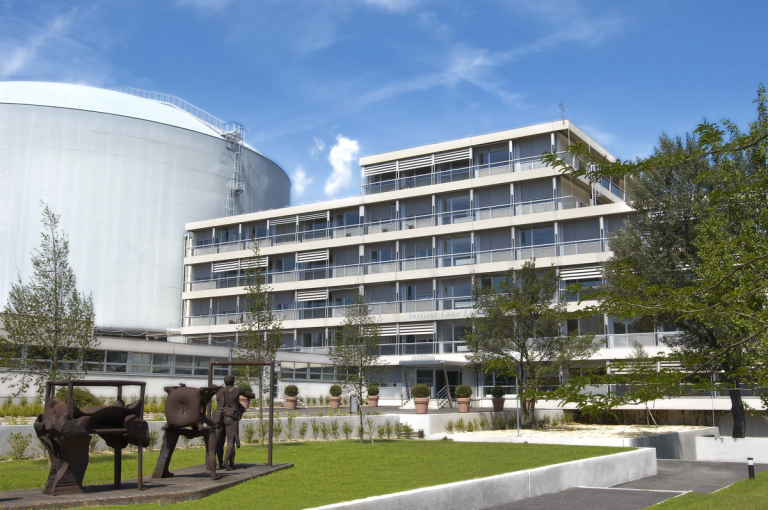
Institut Laue-Langevin, France (ILL)
DanScatt collaborates closely with the Institut Laue‑Langevin (ILL) in Grenoble, home to one of the world’s most powerful neutron sources. Often described as a ‘giant microscope,’ ILL enables researchers to study materials at the atomic scale with exceptional precision. Through Denmark’s membership, DanScatt facilitates access for Danish scientists, supporting applications for beam time and promoting advanced neutron research.
For more information, please visit ILL.
ISIS Neutron and Muon Source
The ISIS Neutron and Muon Source is a world-leading centre for research in the physical and life sciences, located at the Rutherford Appleton Laboratory in Oxfordshire, UK, and operated by the Science and Technology Facilities Council. It uses the techniques of muon spectroscopy and neutron scattering to probe the structure and dynamics of condensed matter on a microscopic scale ranging from the subatomic to the macromolecular.
For more information, visit ISIS.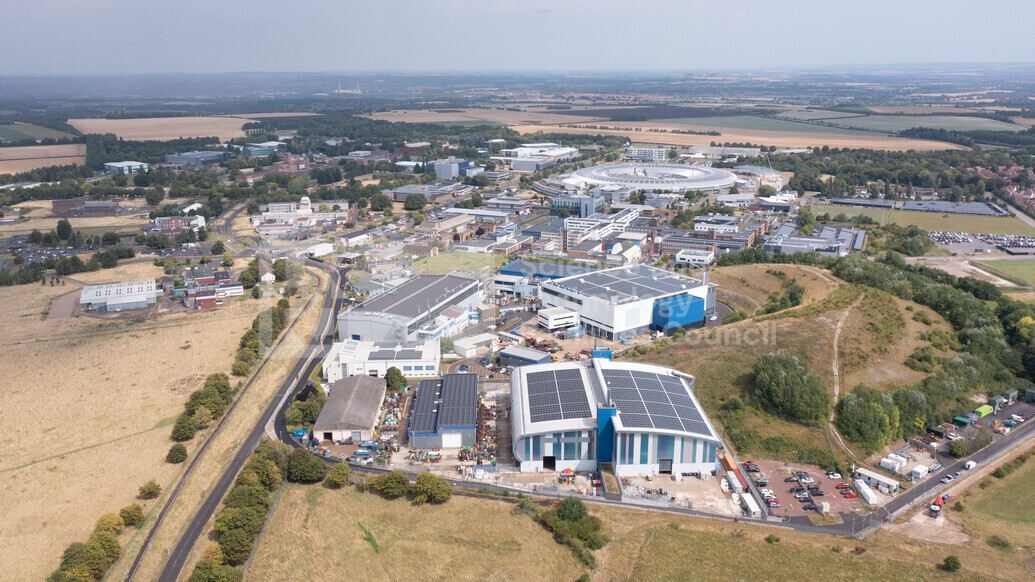
J-PARC
The J-PARC stands for Japan Proton Accelerator Research Complex and is an accelerator-based research facility with intense proton beams at Tokaimura, Ibaraki, Japan. J-PARC has three proton accelerators and three research facilities with using MW-class high power proton beams, which generate neutrons, muons, mesons and neutrinos for experiments, to underlie the development of advanced science.
For more information, visit J-PARC.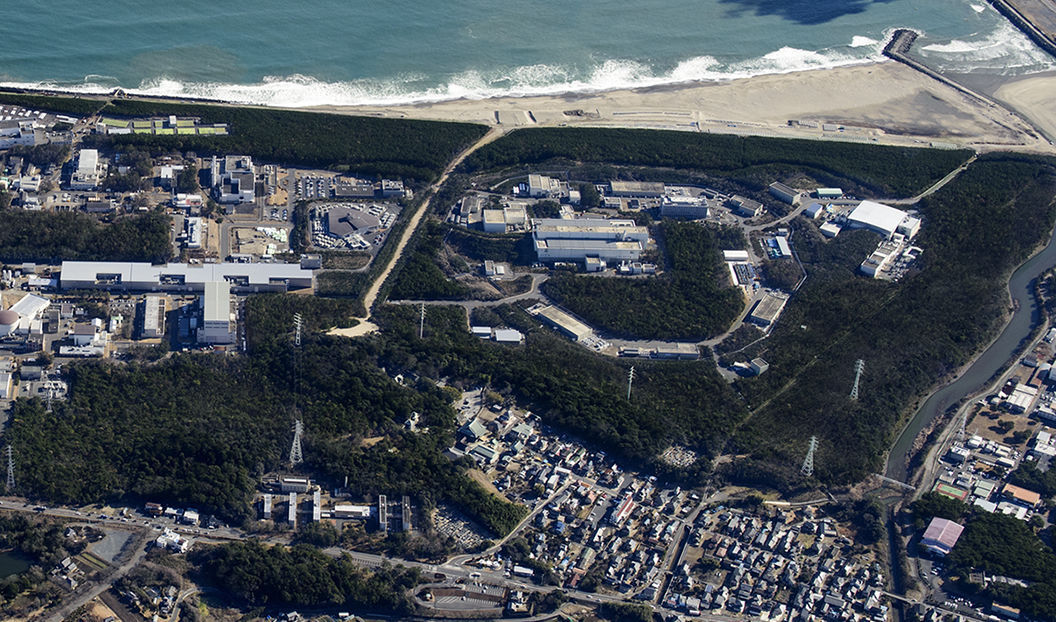
Swiss Spallation Neutron Source (SINQ)
The Swiss Spallation Neutron Source is at the Paul Scherrer Institute in Switzerland. The spallation neutron source SINQ is a continuous source - the first and only one of its kind in the world - with a flux of about 1014 n/cm2/s. Beside thermal neutrons, a cold moderator of liquid deuterium (cold source) slows neutrons down and shifts their spectrum to lower energies. These neutrons have proved to be particularly valuable in materials research and in the investigation of biological substances.
For more information, visit SINQ.